Aviation Switching Module – NSN 4920-01-250-2696 (AS-IS / Untested): Aerospace Electrical Control Component
Aviation Switching Module – NSN 4920-01-250-2696 (AS-IS / Untested): Aerospace Electrical Control Component
Blog Article
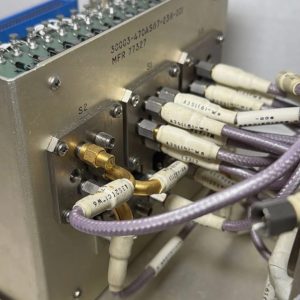
The Aviation Switching Module – NSN 4920-01-250-2696 (AS-IS / Untested) combines recognizable aviation hardware, an identifiable National Stock Number, potential electrical-control functionality, and commercial value for informed specialist buyers.
The Aircraft Switching Module offers potential maintenance or restoration value, while the Aerospace Switching Module must be inspected for condition, completeness, modification, and storage-related deterioration.
The Aircraft Electrical Switching Module may route selected circuits, while the Aviation Electrical Control Module, Aircraft Power Switching Module, Aerospace Electrical Control Unit, and Aircraft Signal Switching Module terms should not be interpreted as confirmed functions without documentation.
The Aviation Control Module may be associated with a larger Aircraft Electronic Switching System, while the Aerospace Switching Unit and Aircraft Electrical Module should be inspected before connection or installation.
Identifying the Aerospace Switching Unit
Accurate NSN verification helps reduce purchasing errors and prevents an unrelated module from being represented as compatible equipment.
The exact manufacturer, model number, electrical specifications, switching functions, and associated equipment should be confirmed through reliable technical references whenever available.
Understanding AS-IS and Untested Condition
AS-IS and untested means the module is offered without confirmation that it powers on, switches circuits, communicates with associated equipment, meets specifications, or performs its original function.
A current-limited and controlled test setup may be appropriate when selected by qualified personnel.
Choosing an Aircraft Switching Module
The product page should avoid assigning a cockpit, power-distribution, test-set, or mission-system function without evidence.
External controls may include switches, selectors, indicators, circuit positions, covers, labels, or connection ports depending on the exact configuration.
Maintaining a Switching Module Assembly
The module may have been designed for vibration, transportation, storage, maintenance, or aerospace operating environments, but present performance should not be assumed.
Proper connector protection preserves the Aerospace Switching Module for future testing or restoration.
Inspecting Aviation Module Wiring
External condition cannot confirm the state of hidden relays, contacts, circuit boards, wiring, or internal components.
Loose wires, nonstandard components, replaced relays, cut conductors, or evidence of field repair should be recorded.
Aircraft Electrical Control Applications
The module may interact with relays, switches, indicators, sensors, power sources, test connections, or other control equipment.
Careful preservation supports future study and accurate Aviation Electrical Control Module documentation.
Aircraft Power Switching Module Considerations
An Aircraft Power Switching Module may connect, disconnect, select, or manage compatible electrical power circuits when designed for that function.
Missing covers or barriers may expose conductive points and increase handling risk.
Choosing an Aerospace Electrical Control Unit
The repair process should preserve original markings and configuration whenever practical.
A common-looking relay, switch, resistor, connector, or wire may not be an acceptable substitute.
Choosing an Aircraft Signal Switching Module
Signal circuits can be sensitive to grounding, shielding, contact resistance, connector condition, and electromagnetic interference.
Missing or corroded bonding components may affect noise, interference, or reliability.
Professional Aviation Module Evaluation
An Aviation click here Control Module should be treated as one component within a larger system rather than a standalone universal controller.
Every marking should be recorded before purchase or installation planning.
Aircraft Switching Unit for Maintenance or Restoration
The unit can provide parts, reference information, display value, training opportunities, or a candidate for professional restoration.
Training use should avoid destructive modifications when the component has collectible or restoration value.
Power Distribution Module Inspection
Internal conductive components can corrode or loosen during storage.
Additional mounting holes should not be drilled until the component application is established.
Control Unit Connector and Switch Review
The unit should be photographed before and after any preservation work.
Testing results should identify exactly which switches, contacts, indicators, or circuits were evaluated.
Aviation Power Control Module Uses
Responsible product information protects buyers seeking an Aviation Power Control Module.
Warning labels should remain visible and legible.
Aircraft Electronic Switching System Integration
An Aircraft Electronic Switching System may consist of multiple modules, harnesses, control panels, relays, indicators, power sources, and associated equipment.
Intermittent switching problems can result from worn contacts, damaged connectors, corrosion, weak relays, cracked solder joints, unstable power, or harness faults.
Long-Term Storage of Aircraft Electronics
Desiccant or moisture-control materials should not contact electrical components directly unless appropriate.
The module should be enclosed in a moisture-resistant protective layer and placed inside a strong outer carton or suitable shipping case.
Aircraft Electrical Module Buying Considerations
An Aircraft Electrical Module should be purchased according to exact identity, intended use, condition, completeness, technical support, testing requirements, and available documentation.
Unknown information should remain clearly identified as unknown.
Evaluating an AS-IS Aircraft Switching Unit
A detailed review reduces misunderstanding and supports realistic purchasing decisions.
- Request photographs of all labels, switches, controls, connectors, mounting points, enclosure surfaces, seals, fasteners, and included accessories.
- Check for burned odors, melted material, arcing marks, water entry, chemical residue, and internal loose components where visible.
- Retain purchase records, photographs, labels, research, testing notes, and repair documentation with the module.
Safe Testing of an Aircraft Switching Unit
Every connection should be documented before power is applied.
Partial operation should not be presented as complete certification, calibration, or airworthiness.
Aerospace Module Component Replacement
Replacement parts should be selected according to electrical rating, mechanical fit, material, environmental requirements, and original design intent.
Every repair should record the date, technician, fault found, parts replaced, measurements, testing performed, and remaining limitations.
Aviation Switching Module Conclusion
The Aviation Switching Module – NSN 4920-01-250-2696 (AS-IS / Untested) can provide restoration, research, parts, training, collection, or professional evaluation value when its identity and condition are understood clearly.
Careful technical and commercial evaluation can reduce equipment damage, incompatible purchases, missing-accessory costs, testing hazards, and restoration delays.
Whether the product is described as an Aircraft Switching Unit, Aerospace Power Distribution Module, Aircraft Electrical Control Unit, or Aviation Power Control Module, AS-IS limitations should remain clear.
With verified identity, careful inspection, protected storage, safe bench procedures, organized documentation, and qualified technical review, the module can provide lasting specialist value.
Report this page